
Success case
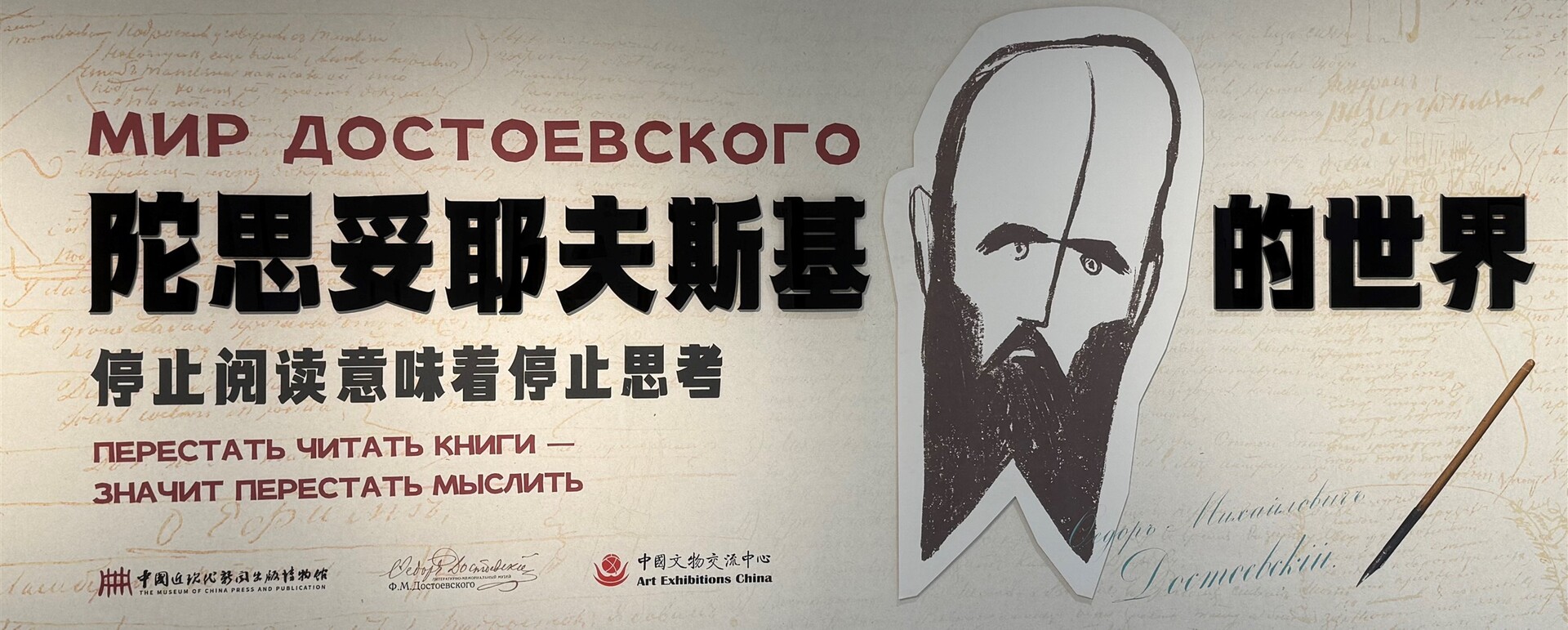
Dostoevsky's World: To Stop Reading Is to Stop Thinking
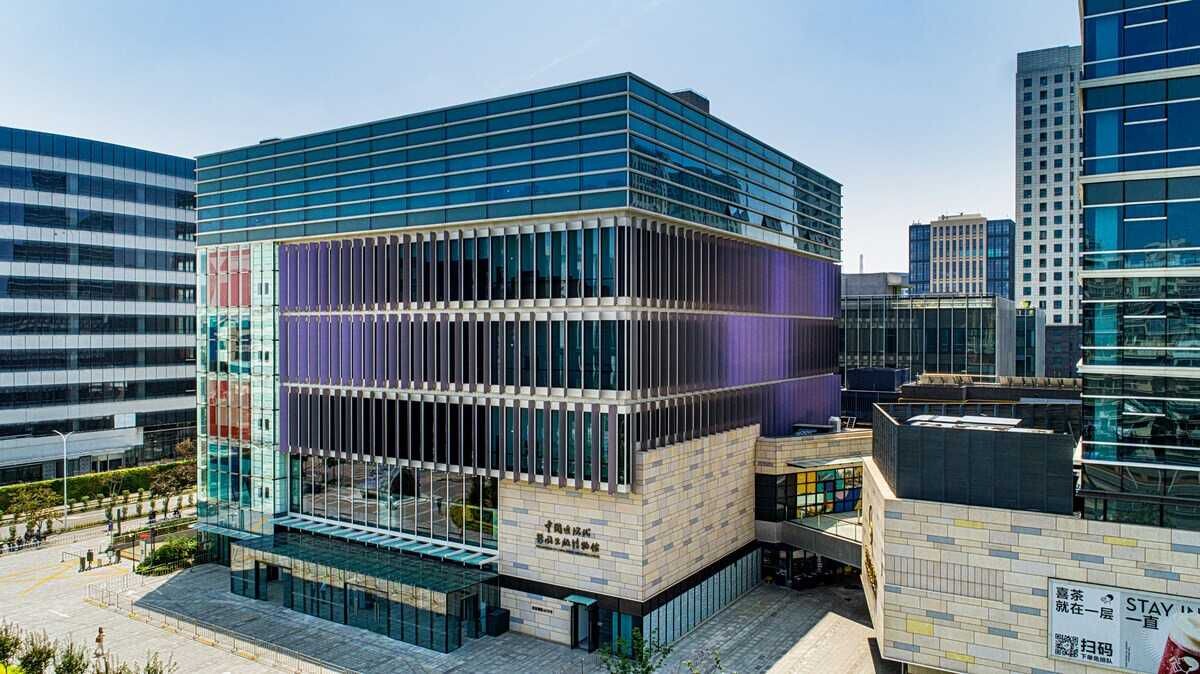
China Modern Press and Publication Museum
- Location
- China Press and Publications Museum
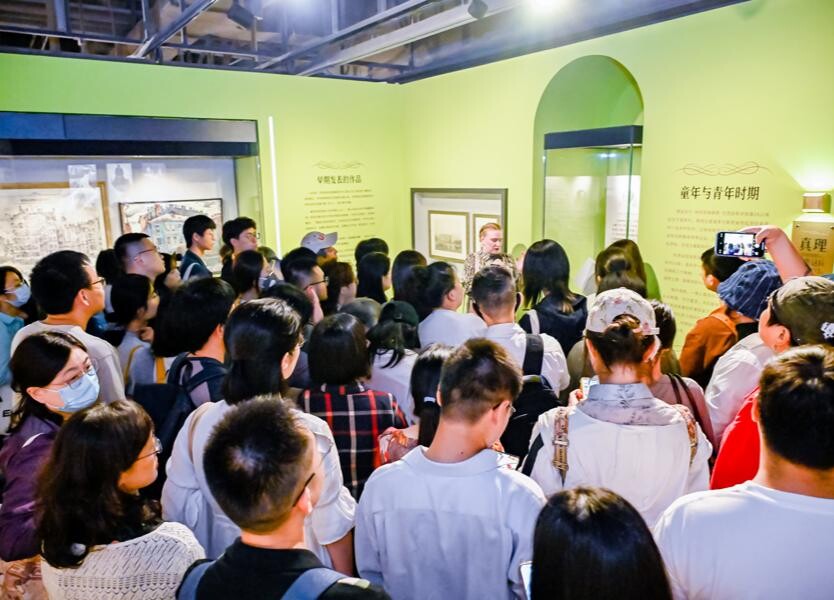
Bringing Dostoevsky’s life and writing into the gallery. Presented at the Museum of China Press and Publication in Shanghai from 23 June to 13 September 2026, Dostoevsky’s World: To Stop Reading Is to Stop Thinking invited visitors to explore the writer’s life through books, personal belongings, images and spatial storytelling.
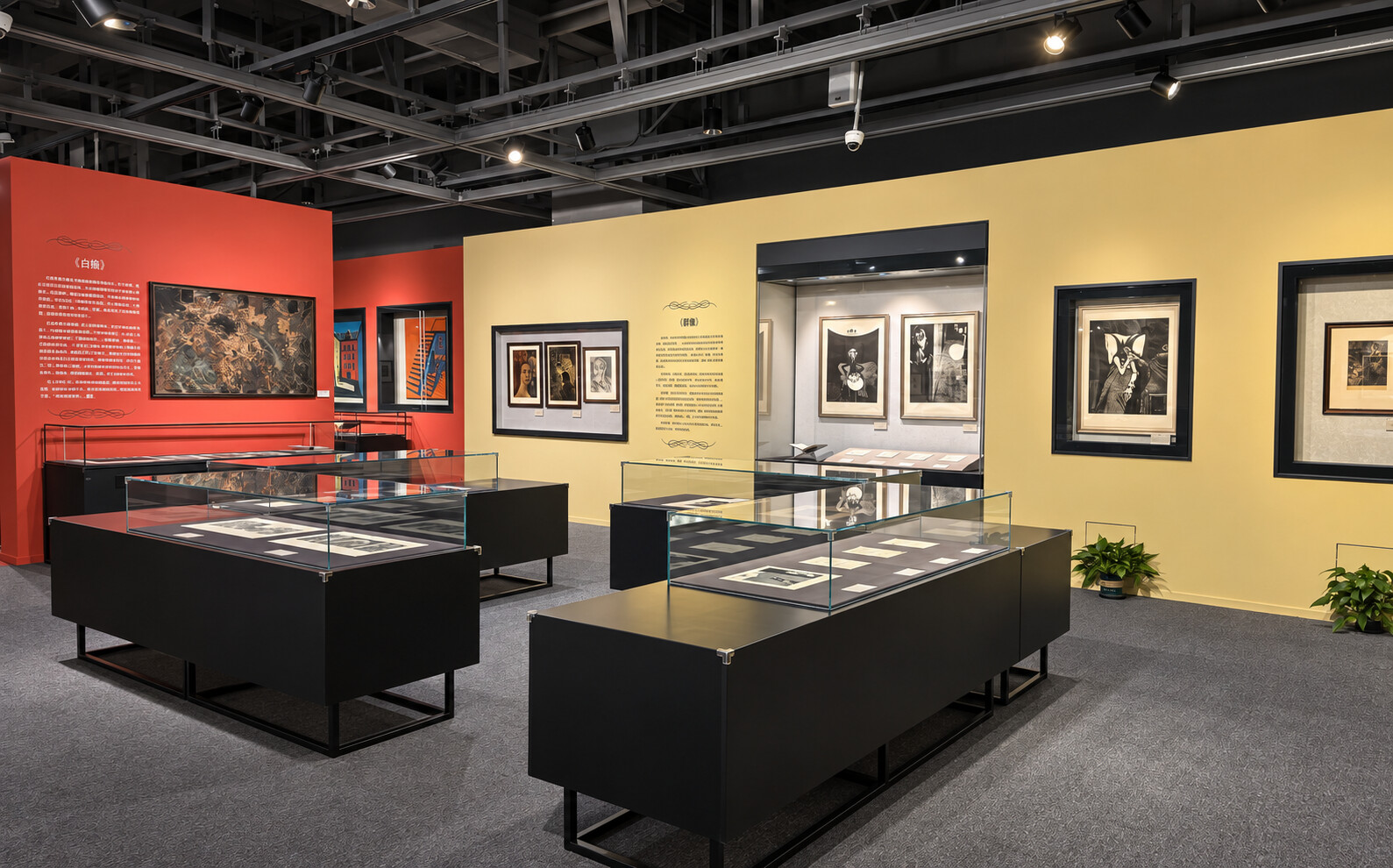
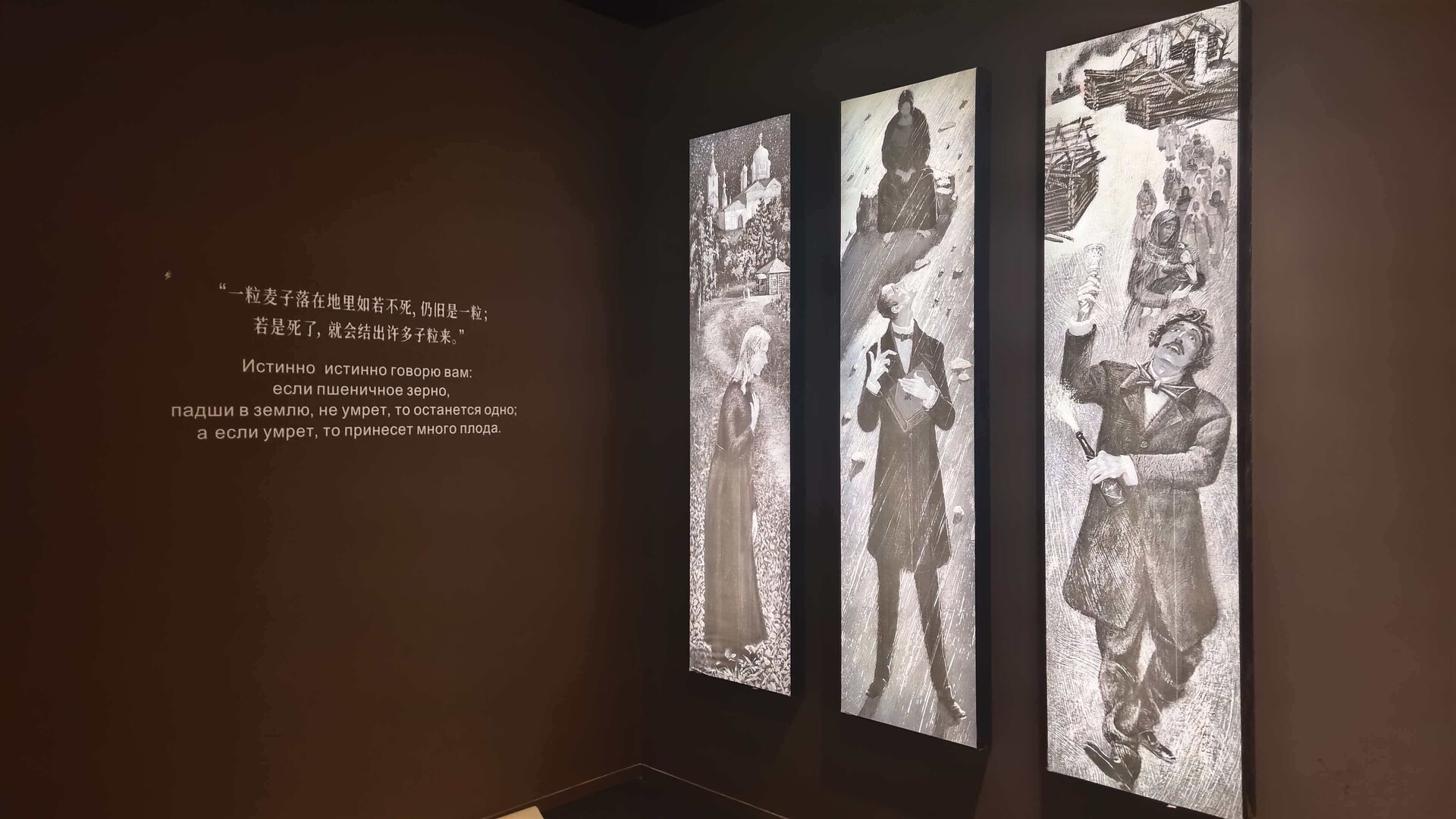
The exhibition brought together 157 physical exhibits alongside digital material from the F. M. Dostoevsky Literary-Memorial Museum and the Literary Museum of the Institute of Russian Literature (Pushkin House), Russian Academy of Sciences. Rare editions, manuscript reproductions, illustrations and original personal objects offered complementary perspectives on the author and his work.
Exhibition highlights
- Five sections traced the writer’s life: Childhood and Youth, A Turning of Fate, Return to Literature, Masterworks, and Immortality of the Spirit.
- Original personal belongings—including a cigarette case, hat, medicine bottles, writing set and the pen nib used for The Brothers Karamazov—connected literary history with everyday life.
- Manuscript reproductions allowed visitors to examine revisions, annotations and sketches associated with the major novels.
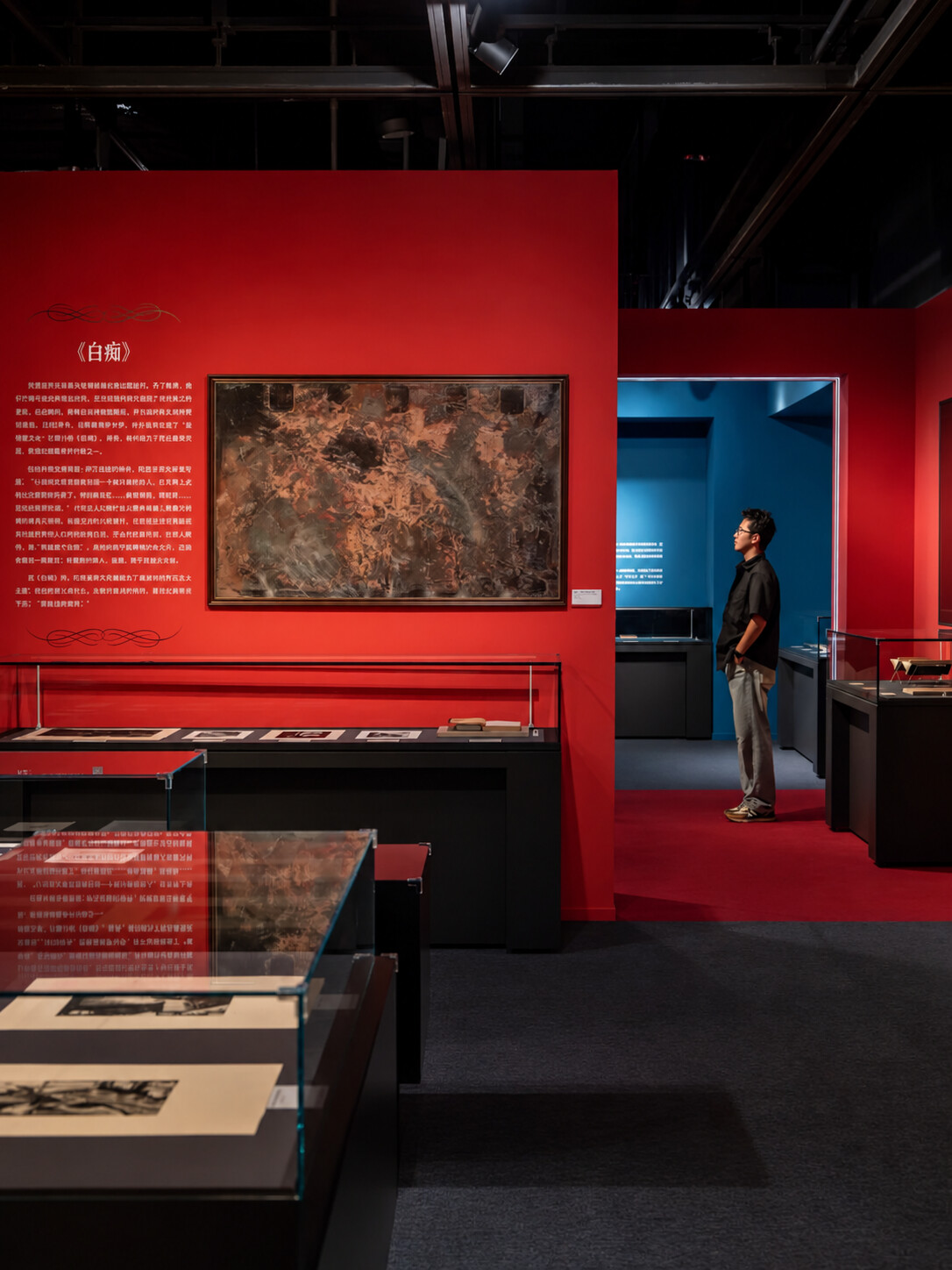
- A spatial installation marking 160 years since the publication of Crime and Punishment invited visitors to step into a scene from the novel.
Design challenge
The challenge was to make a literary exhibition engaging for visitors with different levels of familiarity with Dostoevsky. Books and documents needed context: a clear route through his biography, an accessible introduction to his works, and opportunities to connect their questions with personal experience.
From biography to spatial experience
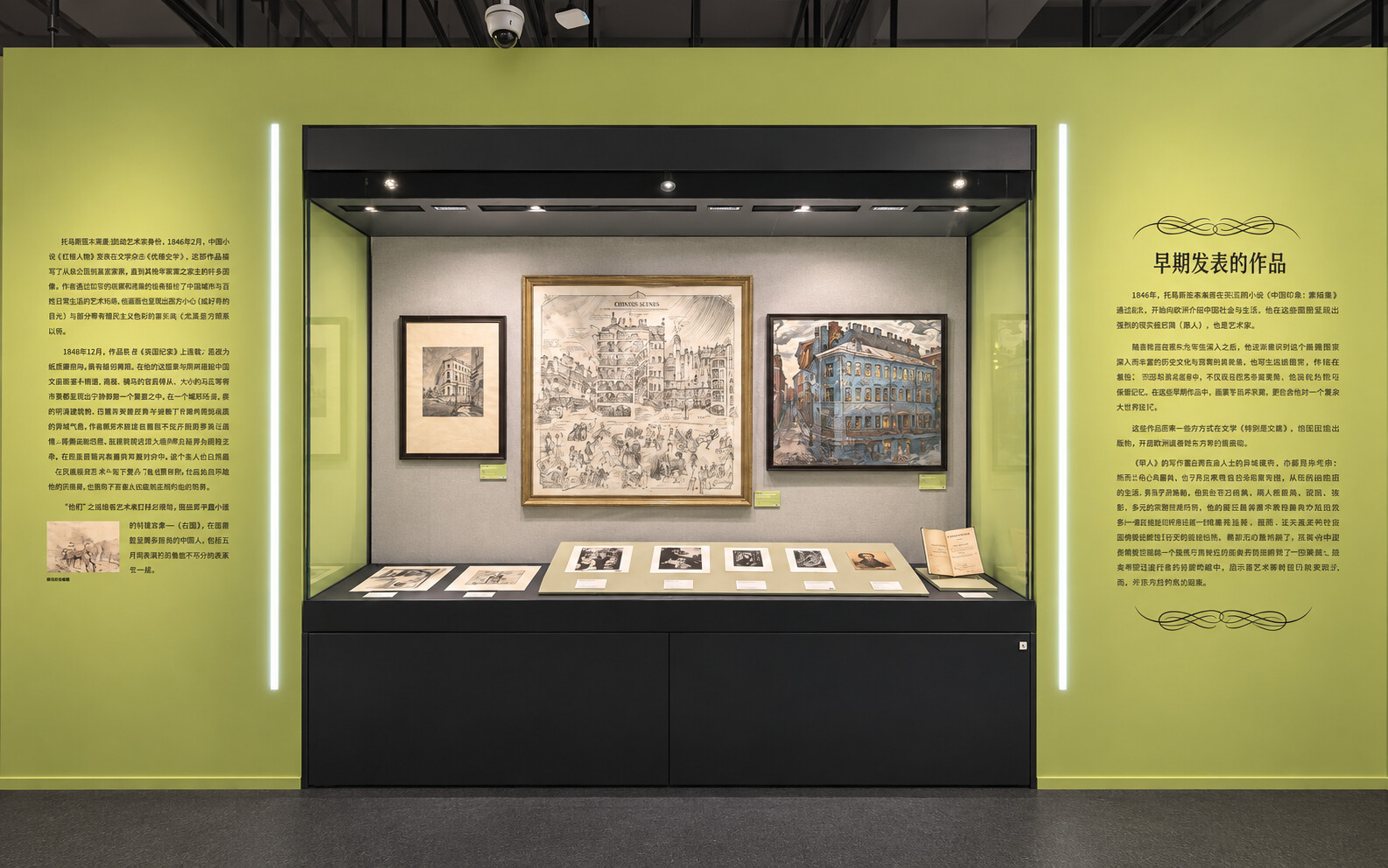
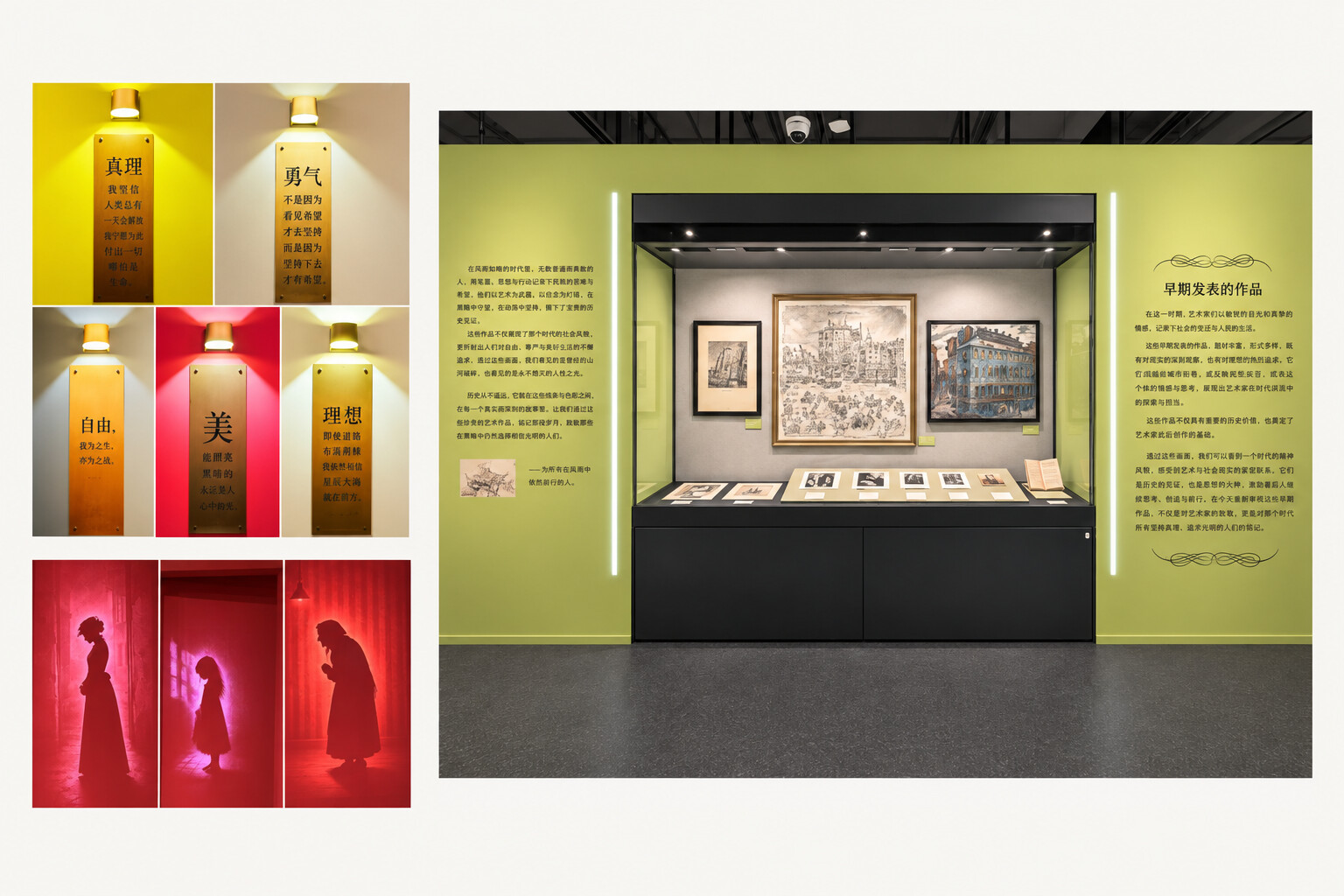
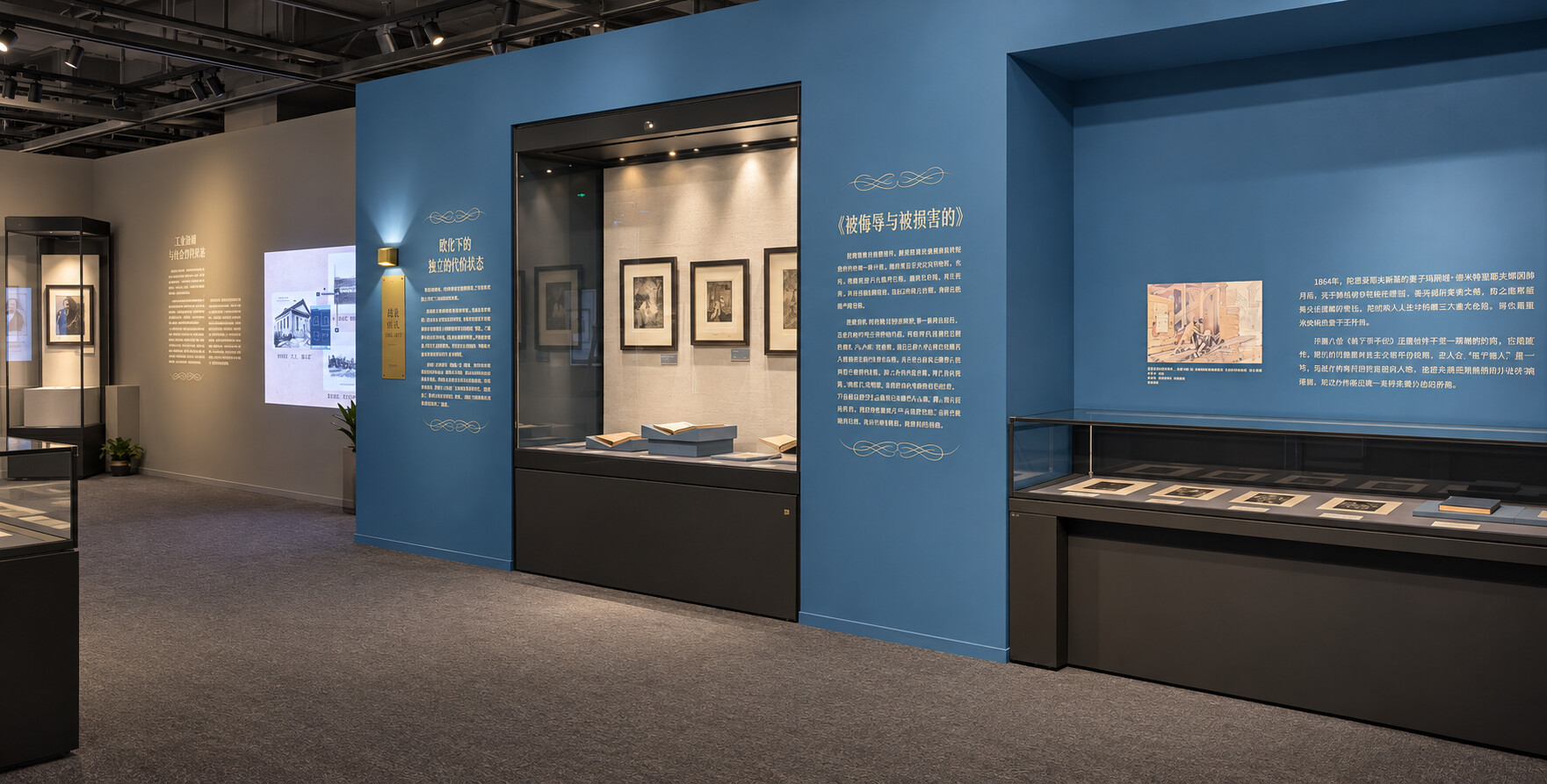
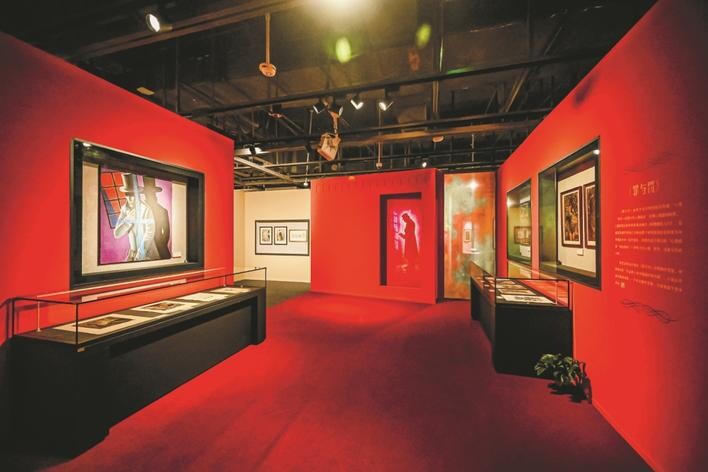
The galleries drew on the architecture and interiors of the Dostoevsky museum in St Petersburg. A sequence of colours helped distinguish the five chapters: green for childhood and youth, grey for the turning point in his life, dark blue for his return to literature, red for the major works, and white for the concluding section on his legacy.
The Crime and Punishment installation translated a tense episode—Raskolnikov hiding behind a door—into a setting visitors could enter. Light, shadow and character silhouettes encouraged them to consider the scene from different perspectives. Elsewhere, close encounters with books and personal objects provided quieter moments for observation and reflection.
At the end of the exhibition, visitors could take away quotation stickers and collect exhibition stamps, carrying a connection with the writer beyond the gallery. Lectures and public discussion extended the encounter from viewing to reading and conversation.
Audience response and project value
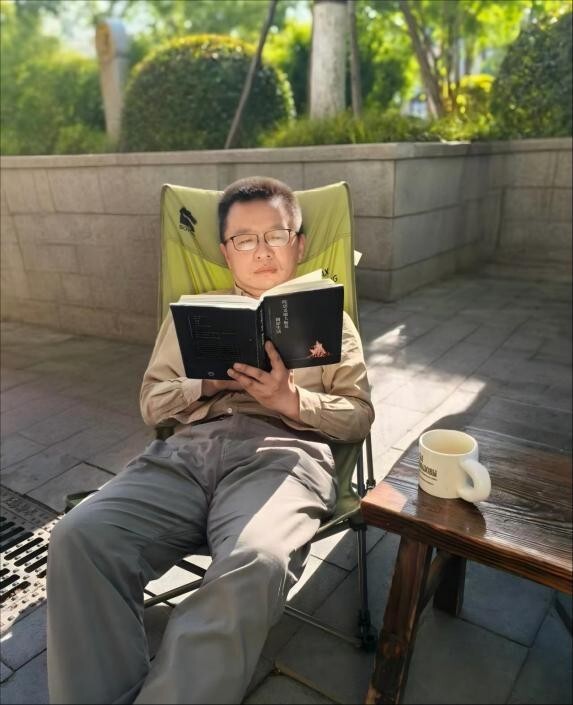
Closing coverage reported nearly 200,000 visits over the exhibition’s run. A subsequent China Writers interview featured a reader who had visited 22 times—one individual example of sustained engagement alongside the broader attendance figures.
The project demonstrated how a literary collection can support an accessible museum experience through a clear biographical structure, carefully contextualised objects and a small number of participatory elements. Its central invitation remained simple: to return to the books, and to keep reading and thinking.
Media coverage
-
 m.thepaper.cn
 Why do young people love Dostoevsky? Find answers in this exhibition
-
 shanghai.gov.cn
Encouraging more people to read and think: major Dostoevsky exhibition opens
-
 paper.xinmin.cn
Experience classic scenes and immerse yourself in literature
-
 wyb.chinawriter.com.cn
To stop reading is to stop thinking: a major literary exhibition and the question of reading in our time
-
 chinawriter.com.cn
Jiang Fan: I happily visited the Dostoevsky exhibition 22 times
-
 citynewsservice.cn
 Step into Dostoevsky's World in Shanghai
-
 russian.shanghai.gov.cn
 Nearly 200,000 visitors attended the World of Dostoevsky exhibition in Shanghai
-
 godliteratury.ru
The inkstand and pen used for The Brothers Karamazov: a Dostoevsky exhibition to open in China